

If your warehouse interior is showing wear—scuffed walls, faded paint, floor damage, or areas that need protection—the right time to plan and execute the work is when you can do it without disrupting operations.
At Allied Painting Contractors, we assess warehouse interiors, build phased execution plans, and handle the work professionally. We manage the coordination, the crew, the timeline, and the details so your facility stays operational.
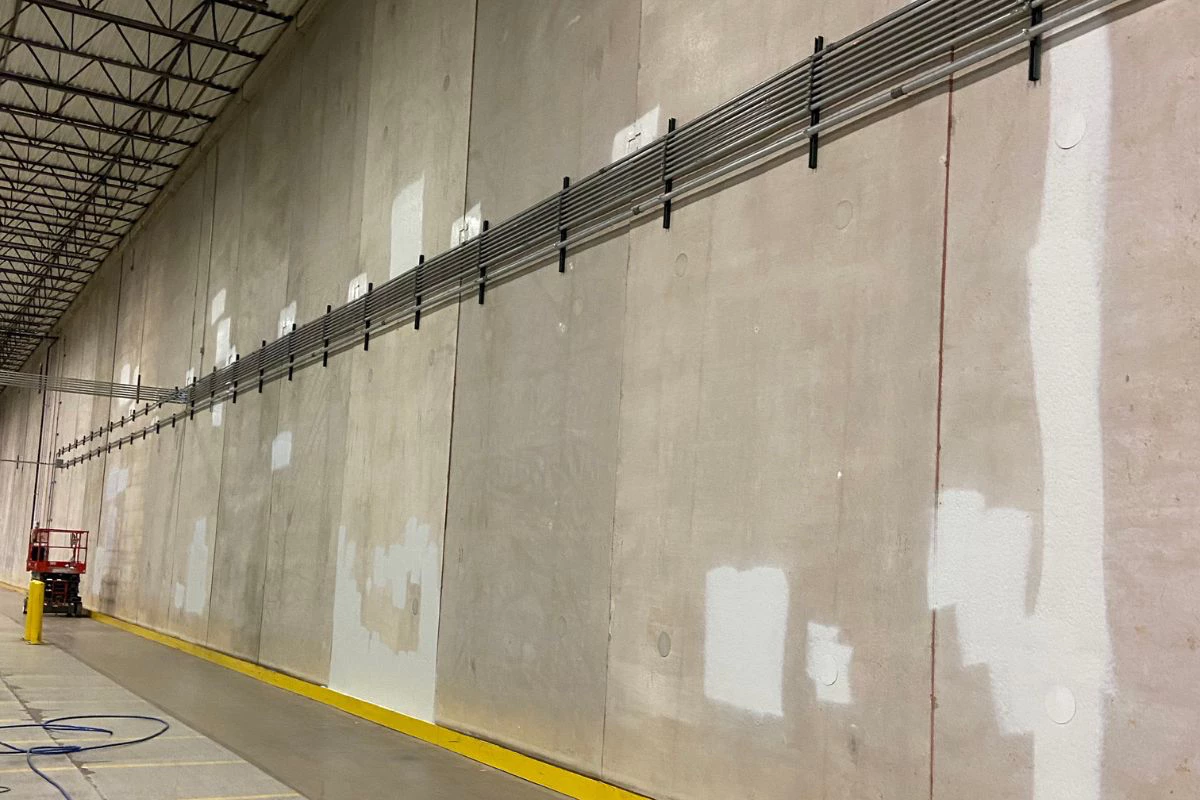
Why Warehouse Interior Condition Matters
A maintained warehouse interior protects your assets and keeps operations running smoothly.
Interior deterioration creates real problems:
- Structural damage: Unprotected steel corrodes. Water intrusion spreads. Coatings fail and expose substrate to further damage.
- Safety and compliance: Worn floors and walls create trip hazards and visibility issues. Facility inspectors notice poor maintenance.
- Operational disruption: Unexpected failures force emergency repairs, which cost more and create unplanned downtime.
- Facility valuation: Buyers and tenants evaluate facility condition. A well-maintained interior supports resale and lease value.
Facility managers who stay ahead of interior deterioration avoid emergency repairs and keep operations predictable.
Allied’s Assessment Process
We start by walking your space and understanding what you’re dealing with. Our assessment covers:
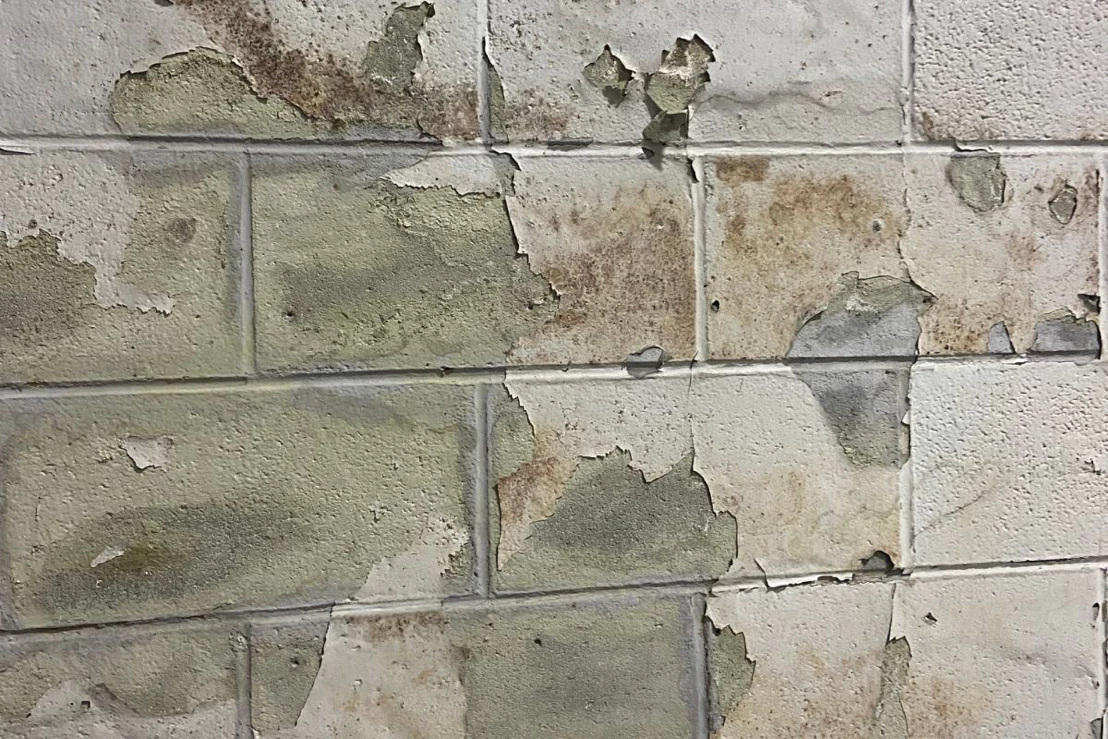
- Wall condition: Paint adhesion, water damage, mold, rust stains, impact damage, areas where coating is failing
- Floor systems: Epoxy or polyurethane coating condition, cracks, spalling, chemical stains, areas at risk of breakdown
- Structural elements: Exposed steel, beams, columns—corrosion, coating failure, areas that need priority
- High-traffic and impact zones: Loading docks, equipment areas, zones where wear is concentrated and spreads fastest
- Moisture and ventilation: Signs of condensation, water intrusion, poor air circulation that accelerates deterioration
From that assessment, we identify which areas are failing, which are at risk next, and which can wait. We prioritize by impact and risk, not by what’s easiest to fix.
We Build a Phasing Plan Around Your Operation
Phasing lets us complete the work without shutting your facility down.
We work with you to understand your operational calendar—production windows, planned shutdowns, seasonal slowdowns, maintenance schedules. Then we build a phasing plan that fits your reality.
Our downtime minimization approach is built around keeping your facility operational while we execute the work. Learn more about how we plan around active operations: downtime minimization.
Common approaches we use:
Zone-based execution
We divide the warehouse into sections and complete one zone at a time. You keep operations running in other areas while we work.
Example: A 50,000 sq ft warehouse might break into 4–5 zones, with each zone taking 1–2 weeks. We complete one zone per quarter and finish the full interior in a year.
Time-window execution
We anchor work to your slowest periods or planned maintenance windows. If you have a scheduled shutdown, we use that window for the highest-impact interior work. Smaller touch-ups happen during regular operations.
Risk-based execution
We start with the highest-risk areas—structural steel corrosion, water-damaged zones, high-traffic equipment areas. We complete those first. Then we move to medium-priority zones as budget and schedule allow.
Hybrid approach
We combine methods. We address critical areas first (risk-based), then rotate through zones during your operational windows (zone-based), using seasonal slowdowns to accelerate progress (time-window).
The key is that we build the plan around how your facility actually runs. We’re not forcing you into our schedule—we’re fitting our work into yours.
We Manage the Coordination
Interior painting in an active warehouse requires professional coordination. We handle it.
Before crews arrive, we:
- Identify active zones: We map which areas stay operational and which can be closed off
- Plan material staging: We determine where paint, equipment, and supplies are stored so they don’t interfere with your operation
- Set up containment: We manage dust and fumes with barriers and containment so they don’t spread to other parts of the facility
- Schedule crew access: We coordinate when crews work so they’re not in the way of your production
- Communicate with your team: We keep everyone informed about the schedule, progress, and any temporary restrictions
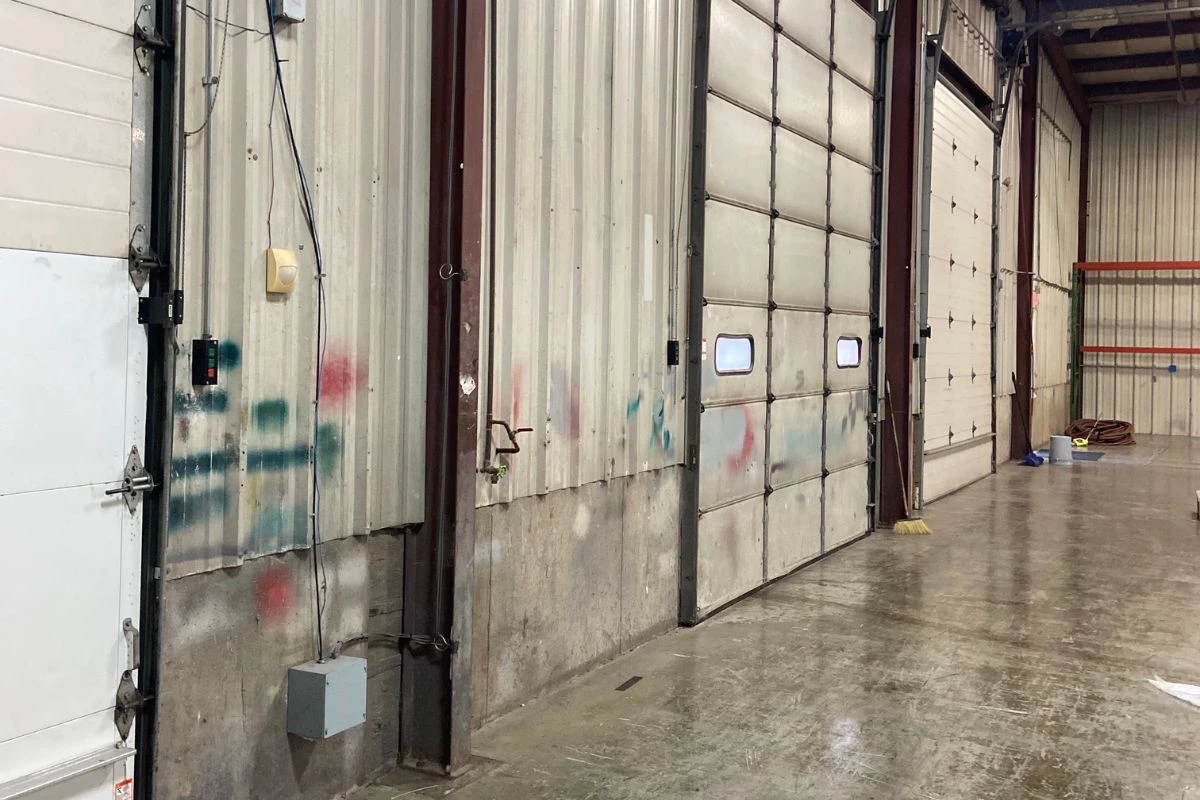
This is where hands-on ownership matters. Our owners stay involved in the work, which means the plan gets executed the way we planned it—not cut corners or surprises.
The Work Gets Done Right
We use employees, not subcontractors. That means the crew that helps plan your project is the crew that executes it. Continuity and quality stay consistent from start to finish.
Learn more about why it matters that Allied uses employees, not subcontractors.
Our approach is straightforward:
- Professional surface preparation: We don’t cut corners on prep. Proper cleaning, sanding, and priming determine how long the coating lasts.
- Right coating system for the application: High-traffic warehouse floors need different coatings than walls. Equipment areas need corrosion protection. We specify the right system for each zone.
- Experienced crew execution: Our crews know how to work in active facilities. They manage access, contain dust, communicate with your team, and deliver quality work.
- Clear communication: Daily updates, no surprises, transparent scheduling.
This commitment to quality and accountability is part of Our Promise—we show up, we do the work right, and we stand behind it.
Plan Your Warehouse Interior Project
If you’re ready to assess your warehouse interior and execute a phased plan, Allied can help.
- Request a facility assessment: Request more information
- Explore Allied’s interior painting services: Interior painting
- Learn more about Allied Painting Contractors: About Allied
- Read more commercial and industrial painting articles: Articles & Insights